
 January 7, 2026 – Our immune systems experience daily wear-and-tear as they are bombarded by toxins from molds, yeast, and parasites. This internal battlefield often extends beyond the gut. Painful inflammatory effects can spread throughout the body—affecting joints, muscles, intestines, and even the genital area. Notably, this discomfort often intensifies at night, sometimes disrupting the deep, restorative sleep that is essential for recovery.
One explanation on pain levels is that during the day, our minds are preoccupied with tasks and distractions and increased muscle movement may lower the level of pain. Upon a closer look, this pattern is linked to the body’s natural circadian rhythm. At night, pain signaling to our immune system tends to increase, while in the morning the body releases higher levels of anti-inflammatory hormones. When nighttime pain becomes cyclical, ongoing sleep disruption can further weaken the immune system over time. Stress also can be a culprit in weakening our immune system.
For individuals who are particularly sensitive, mold exposure can create a background weakening of immune defenses. This can allow yeast—such as Candida spp., which normally exists as part of our gut flora—to populate out of control. Illness itself can also reduce the body’s ability to manage both mold and yeast effectively. When yeast dies off, it can release toxins that cause pain and itching in other areas of the body and may contribute to skin conditions, including patchy eczema.
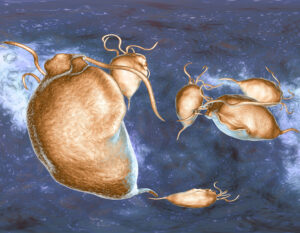
Beyond algae (mold) and fungus (yeast), a weaken immunity system may also struggle to control population surges of protozoa (one-cell animals) and worms (parasites) inhabiting our gut, blood and other organs and fluids of the body. In my wonderings through AI information online, it is estimated that as high as 70% of sexually-active adults (male and female) have protozoa infestations and many cases may not ever manifest into obvious symptoms. The image above represents that of Trichomonas vaginalis protozoa. These organisms can also release toxins into the body, sometimes leading to moderate or severe side effects.
Parasites will disrupt the natural balance of microrganisms in the gut and also weaken the immune system, creating an environment for an outbreak of yeast overgrowth.
Diagnosis and Treatment
Identifying the source of these toxins—whether from a singular species or combined various species —can become a long-term and frustrating process. Treatment options are equally complex, ranging from natural products to antibiotics, all claiming either to eliminate these organisms or to alter the internal environment so they cannot easily repopulate. When symptoms become concerning, repetitive or intolerable, it is essential to consult a qualified healthcare practitioner. Proper testing can help match an effective treatment to the root cause (excuse the pun).
Another challenge is that many of these organisms thrive on foods we commonly enjoy: sugary snacks, breads, sweet fruit juices, mashed potatoes, creamy ice cream, and alcoholic beverages. What remains on the menu are foods higher in protein, such as meats and eggs, along with low-sugar fruits and vegetables that may lessen the fuel for the organisms. Edible oils including olive, lemongrass, cinnamon, ginger, oregano and moderate doses of certain herbs such as wormwood may help in getting the microbiota in the gut balanced again.
Drinking Watt-Ahh may help reduce the toxin and waste (including oxalate) loads released by these organisms. While Watt-Ahh is neither an antibiotic nor a “killing solution,” it may help cleanse and flush certain toxins from the body, potentially moderating side effects. In addition, the innate energy form of Watt-Ahh may help alleviate fatigue, which is one of the primary symptoms associated with infestations of adverse biological organisms.