
 January 16, 2026 – The United States benefits from multiple sources of drinking water – an essential commodity that remains unsustainable in many arid regions of the World. Have you ever wondered how so many people have managed to thrive for centuries in the desert ecosystems of the Middle East?
Modern Desalination: Potable Water at a High-energy Price
Throughout coastal Arab countries, many desalination plants operate continuously, consuming enormous amounts of energy to pump seawater into the plants and using high pressure for the water to pass through costly reverse osmosis membranes. The process generates highly concentrated brine, which may be discharged back into the sea, adversely impacting marine ecosystems.*
In many facilities, carbon-based fossil fuels are also used to heat the desal water and condense the steam back into liquid (a form of distillation) and maybe adding minerals to improve both the taste and health benefits of the drinking water – further increasing energy costs.
* Note: In 2017, Beverage Industry magazine published an article highlighting inventor Rob Gourley’s WIT Technology, which demonstrates how to significantly lower energy consumption in desalination processes. (“Can Electrons Lower a Beverage Maker’s Energy Costs?” — Beverage Industry, 2017.
Inland Water Stress in the Middle East
Away from the coasts, many Middle Eastern regions depend on sparse freshwater sources drawn from underground aquifers or from treated wastewater. Neither option is proving sustainable for rapidly growing populations – especially in desert climates where rainfall is rare, unpredictable, and insufficient to replenish groundwater reserves.
Despite its many challenges, Iran is not immune to the growing crisis of water scarcity. Yet, remarkably, it holds one of the World’s most enduring solutions to desert hydration. It is what we call an Angel Quest water story for the ages involving an engineering marvel with a divine cultural reverence for water.
Iran’s Qanats: Engineering Marvel’s Inspired by Survival
The 2,500-year-old Persian qanats represent a true Angel Quest – a story driven by communal survival, ingenuity, and reverence for water. These ancient systems, now designated UNESCO World Heritage Sites, are extraordinary feats of human engineering and endurance.
Qanats consist of deep underground tunnels with a series of vertical shafts, carefully designed to allow gravity-fed water to flow from distant hillside aquifers down to villages and agricultural lands (think of underground aqueducts) . Many of these systems still operate today, supplying precious drinking water and irrigating food crops in some of the World’s harshest environments.
From Survival to Sanctuary: Persian Gardens
The Angel Quest does not end with water delivery. Qanats enabled the creation of lush Persian gardens, conceived as earthly reflections of paradise. These gardens express ancient, pre-Islamic reverence for water, balance, and nature.
Persian gardens feature flowing water channels, reflective pools, and an abundance of life -fragrant flowering plants such as jasmine, roses, and lilies; shade-giving cypress and pine trees; and fruit-bearing species including pomegranates, figs, almonds, apricots, and grapes.
Dowlat Abad Garden: A Desert Oasis
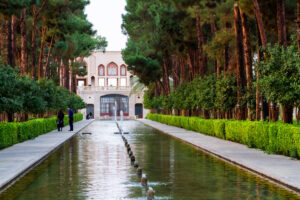
The Dowlat Abad Garden located in Yazd, Iran, stands as a classic example of Persian garden design sustained by a qanat system. Water is carried from miles away through underground channels, emerging to irrigate towering trees and fill tranquil pools – creating a living oasis amid the desert heat.
Ancient engineering, survival, and spiritual respect for water – remind us that sustainability is not a modern invention, but actually part of our global water legacy.
For the entire 2026 Series on Angel Quest Water, go to this link.
Sharing Angel Quest Discoveries
Do you have an Angel Quest story to tell? One from your own experience that will help others learn how to enjoy a longer and healthier life? Or, do you have a discovery story to share on a different topic? We would like to hear from you.